What is single ply yarn and when should you use it?
If you’ve ever picked up a skein labelled “singles” and wondered what that actually means for your finished project, you’re not alone. Single ply yarn is one of those topics that sounds simple but has a real impact on how your knitting or crochet looks and behaves. Knowing the difference can save you from some frustrating surprises.
In this post
- What is single ply yarn
- How to identify a single ply yarn
- Advantages of single ply yarn
- Disadvantages of single ply yarn
- Single ply yarn for crochet
- Project suggestions for single ply yarn
What is single ply yarn?
Single ply yarn, often called singles, is yarn made from just one strand of spun fibre. There’s no twisting of multiple strands together. The spinner takes fibre, spins it into a single thread, and that’s your yarn.
This is different from most yarn you’ll encounter, which is plied. A 4-ply yarn, for example, has four individual strands twisted together. That twisting process adds stability and strength, and changes how the yarn behaves on the needles or hook.
How do I tell if a yarn is singles?
The easiest way is to look at the yarn closely. A singles yarn is made up of fibres with a consistent twist running in one direction and you cannot separate it into multiple strands. If you look carefully you can see the fibres spiralling along the length of the yarn. There’s no point where separate strands are twisted around each other.
You can also check the label. Singles yarns are often labelled as “1-ply”, “singles”, or sometimes just described as “single strand”. Some yarns use the count system: a yarn listed as “1/nm” is a made up of a single strand of the thickness specified after the slash.
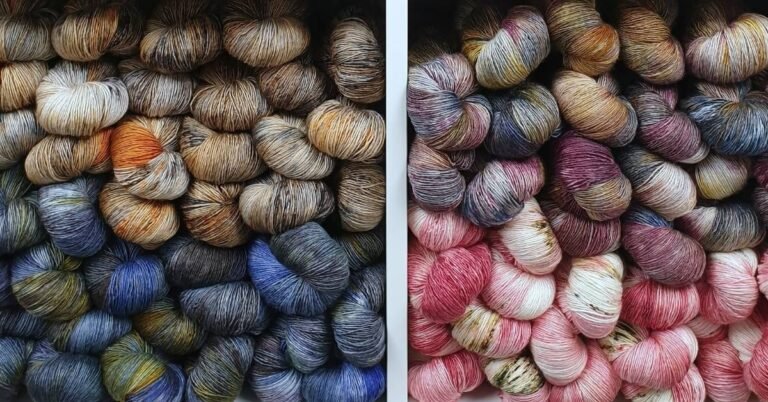
At Skein Queen, Wriggle is a 100% merino singles, and Selkino is a merino silk singles. Both feel and behave quite differently from our plied bases like Crush, even when they’re the same weight.
What are the advantages of singles yarn?
Singles yarn has some genuinely lovely qualities that make it worth seeking out for the right projects.
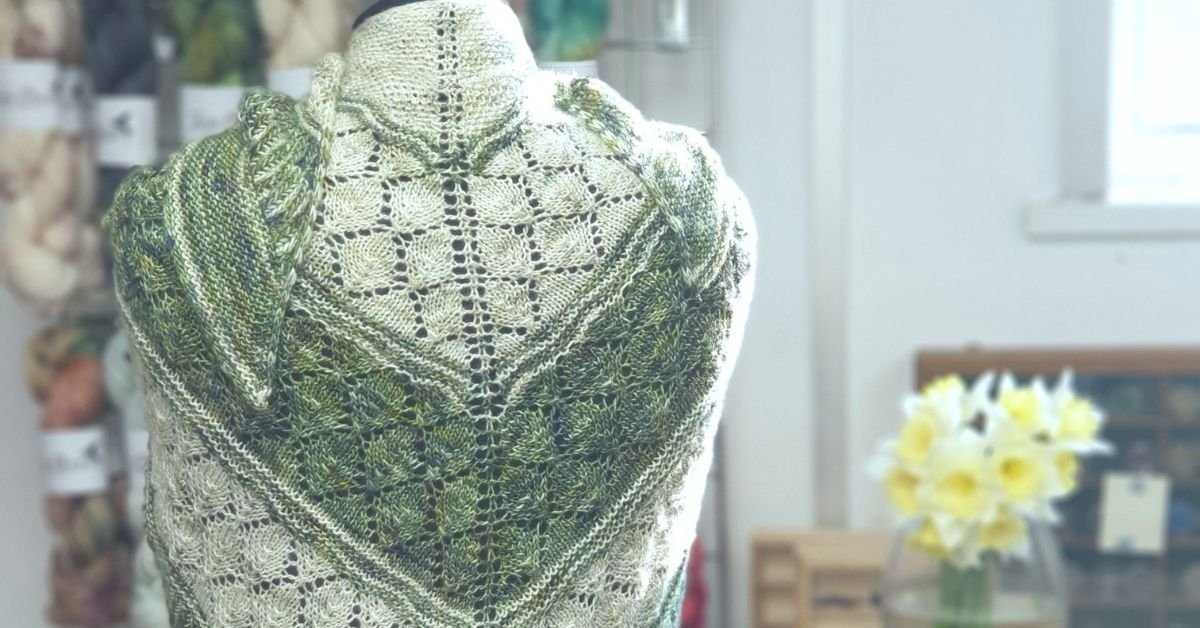
Drape. This is the big one. Because there’s no counter-twist from plying, singles yarn moves more freely. The stitches can slide against each other more easily, creating fabric with a beautiful fluid quality. If you want a shawl that flows and moves, a well-chosen singles yarn can give you something that a plied yarn simply can’t.
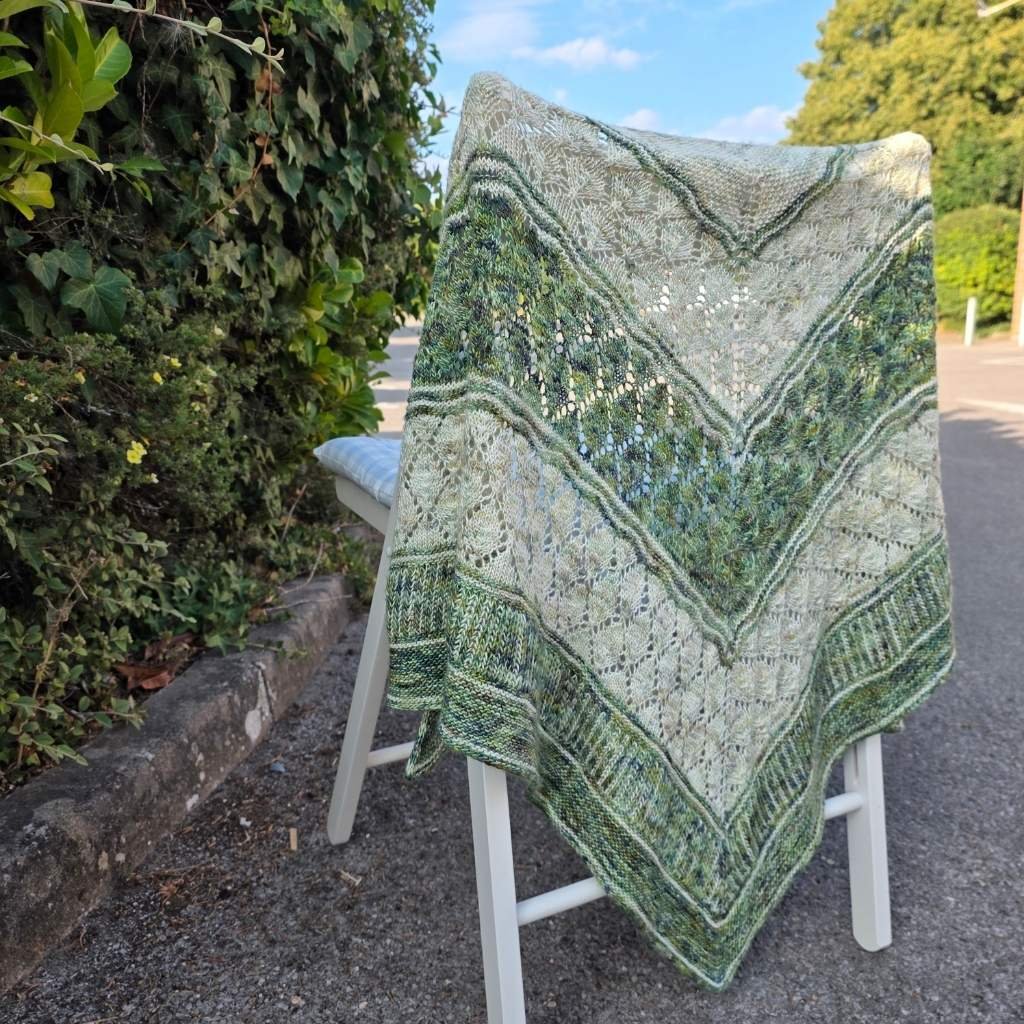
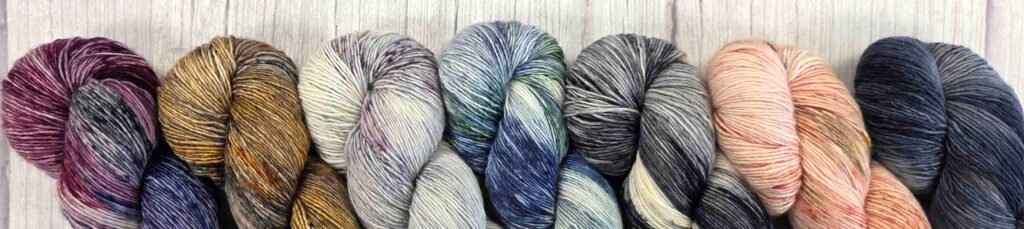
Colour. Single ply yarn takes dye differently from plied yarn. As a hand dyer, this is something I find genuinely exciting. The surface of a singles yarn is flatter and there is no shadow cast from the ply structure, so colours can appear particularly vivid and saturated. Variegated and hand-painted colourways often look stunning on singles because each colour has space to show without being interrupted by the twist of multiple strands.
Softness. Without the compression that comes from plying, singles can feel particularly soft and light in the hand. A good merino singles can feel almost cloud-like compared to a plied yarn from the same fibre.
What are the disadvantages of singles yarn?
Singles yarn isn’t right for everything, and it helps to know its limitations before you commit to a project.
Pilling. This is the most common complaint about singles. Because the fibres aren’t locked together by a second twist, they can work loose more easily with friction and form pills. A high-quality fibre with good staple length helps, but if you’re knitting something that will get a lot of wear and abrasion – the elbows of a sweater, for example – a plied yarn will generally hold up better.
Bias. Singles yarn has a built-in twist that can cause fabric to lean or bias, particularly in stocking stitch. This is more noticeable in some yarns than others, and blocking usually helps significantly. It’s worth swatching and blocking before committing to a large project. This isn’t a fault but is an effect you might not like.
Stitch definition. The same quality that gives singles yarn its drape works against you when you want crisp, clear stitch definition. Cables, colourwork, and textured stitches generally show up better in a plied yarn where the structure of the yarn gives stitches a clear outline. Singles work beautifully with simple stitch patterns, lace, and anything where drape matters more than definition.
Splitting. Some singles yarns can be prone to splitting on the needle or hook, particularly if the twist is quite loose. This varies a lot between yarns and it’s worth checking reviews or handling the yarn before you buy if this is a concern for you. If you do find it a problem a hook or needles with a rounder end rather than a pointy end can help you go between the yarn rather than split it.
Is single ply yarn good for crochet?
Yes, with some caveats. Singles yarn can be wonderful for crochet, particularly for projects where drape is important like shawls, wraps, and garments. The fluid quality that makes it special in knitting translates well to crochet.
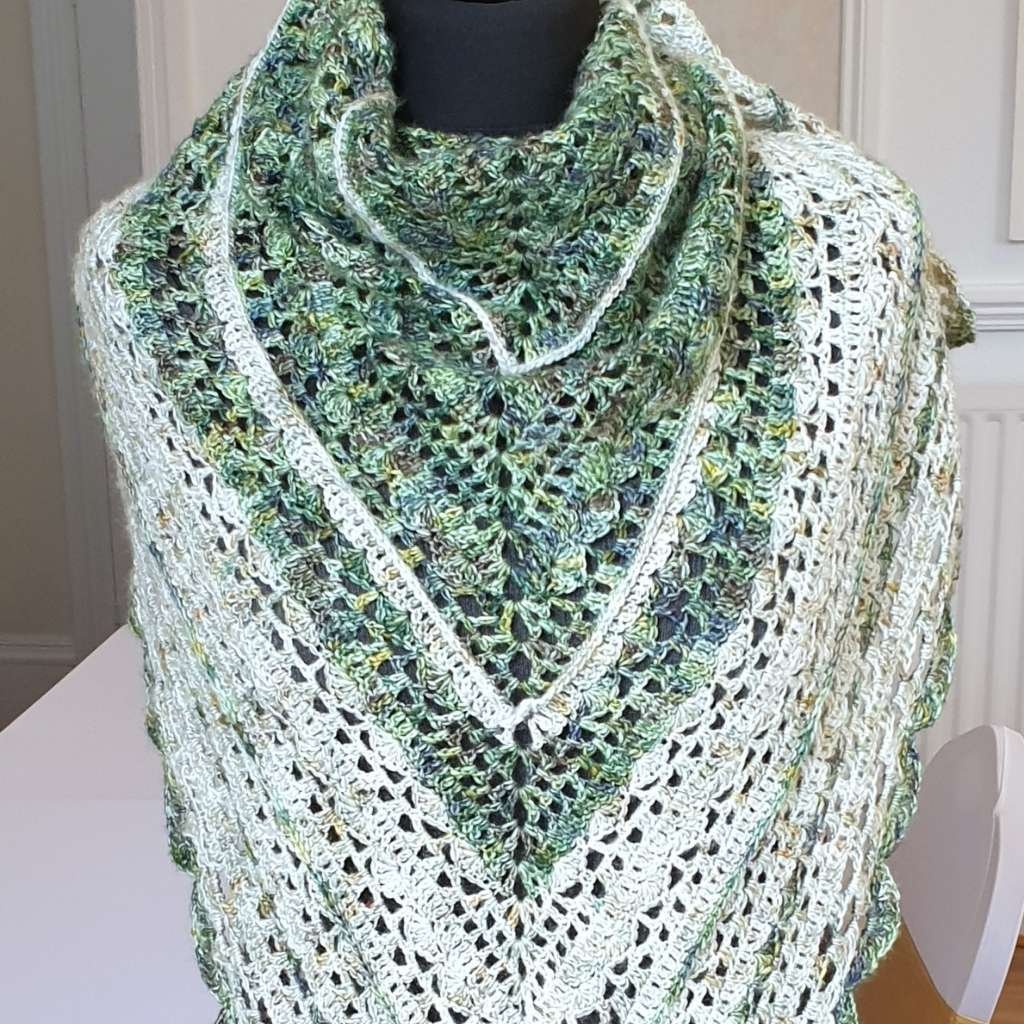
The splitting issue can be more noticeable in crochet because the hook is more likely to catch individual fibres than a knitting needle. A singles yarn with a firmer, more consistent twist will be easier to work with than a very loosely spun one. Checking that your hook size suits the yarn helps too.
For highly textured crochet stitches where you want the stitch structure to show clearly, a plied yarn will generally give you better results.
What projects suit singles yarn best?
Singles yarn is at its best in projects that play to its strengths:
- Shawls and wraps – where drape and movement are everything
- Lightweight garments – cardigans and tops where you want the fabric to flow
- Simple stocking stitch – where the yarn itself is the star
- Lace – where the open structure of singles can enhance the airy quality of lace stitches
- Projects where colour is the focus – hand dyed singles show colour beautifully
It’s less ideal for:
- Cables and highly textured stitches – where plied yarn gives better definition
- High-wear items like socks or bag handles – where durability matters
- Colourwork – where the lack of stitch definition can blur the pattern
TL;DR – The short version
Single ply yarn is spun from a single strand rather than multiple twisted together. It has beautiful drape and takes dye wonderfully, making it a favourite for shawls and projects where flow and colour are the priority. Its limitations: pilling, potential bias, and less stitch definition, mean it’s not the right choice for every project, but when you match it to the right pattern it’s genuinely special.
Frequently Asked Questions
A: Single ply yarn, also called singles, is yarn made from one strand of spun fibre rather than multiple strands twisted together. It has a distinctive drape and softness, and takes dye particularly well.
A: Single ply yarn is made from one strand. 2 ply yarn has two strands twisted together, which adds strength and stability. 2 ply yarn tends to have better stitch definition and durability, while singles has more drape and a softer feel.
A: Look closely at the yarn — you’ll see fibres spiralling in one direction with no point where separate strands twist around each other. The label may also say “singles”, “1-ply” or list a count starting with “1/”.
A: It can be, for the right project. A simple shawl or scarf in a singles yarn is very achievable. The potential for splitting can be frustrating for some beginners, so choosing a singles yarn with a firm, consistent twist helps.
A: No, it’s generally not recommended. Socks need durability and stitch definition that singles yarn doesn’t offer as well as a plied yarn. A plied sock yarn will wear much better, however if you want to make sofa socks from singles yarn, go ahead. Sofa socks are ones you put on when you get home and put your feet up while someone else brings you a glass of wine of cup of tea.
Explore more yarn basics on the Yarn Adventure blog. If you’re curious about how yarn construction affects your projects, you might also enjoy What is 4-ply yarn and why is it so confusing?